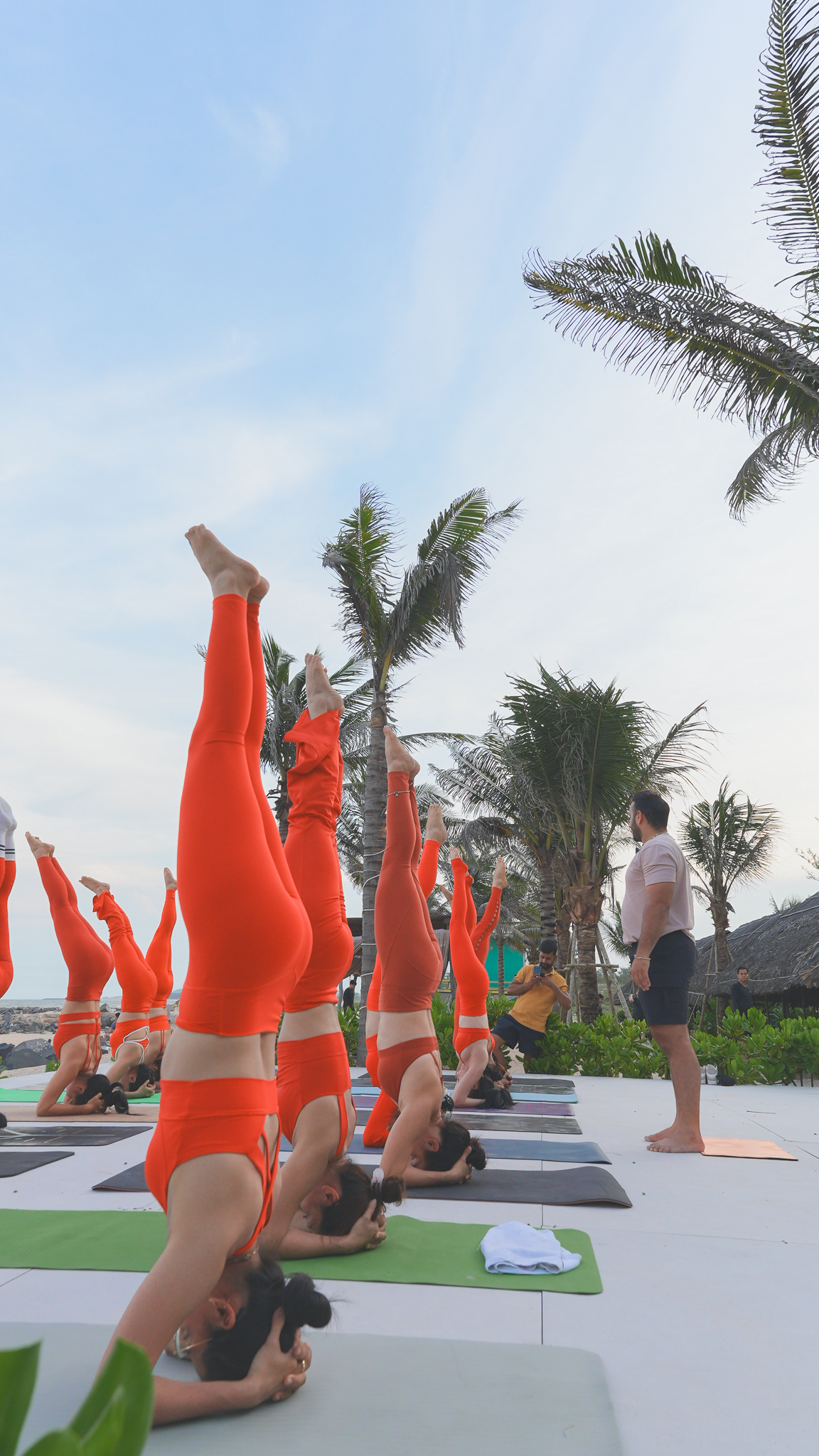
Beginner’s Guide to Handstand Training
Learn the fundamentals of handstand training, including strength, balance, alignment, and beginner-friendly tips to safely build confidence upside down.
Starting Your Handstand Journey
Handstands are one of the most exciting and rewarding skills in yoga and movement practice. Although they may look challenging at first, anyone can improve with patience, consistency, and proper training techniques.
1. Build Shoulder and Core Strength
Strong shoulders and a stable core are essential for handstand practice. Exercises such as Plank Pose, Dolphin Pose, and Hollow Body Holds help prepare the body for inversions.
2. Improve Flexibility and Mobility
Good shoulder flexibility and wrist mobility make handstand practice safer and more comfortable. Stretching the shoulders, chest, and hamstrings regularly can improve body alignment.
3. Practice Proper Alignment
Alignment is one of the most important parts of a stable handstand. Keeping the body engaged and stacked in a straight line helps improve balance and control.
4. Learn Wall Drills First
Practicing against a wall helps beginners build confidence upside down while learning body awareness and balance safely.
5. Focus on Consistency
Handstands require patience and regular practice. Even practicing for a few minutes daily can create significant improvement over time.
6. Overcome Fear Gradually
Fear is normal when learning inversions. Working with proper guidance, controlled drills, and safe progressions helps build confidence step by step.
Benefits of Handstand Training
Handstand practice improves upper body strength, balance, coordination, focus, and body awareness. It also challenges the mind and builds self-confidence.
Train with Yoga Goals Vietnam
At Yoga Goals Vietnam, we guide students through safe and progressive handstand training, flexibility work, and advanced yoga techniques suitable for all levels.


